
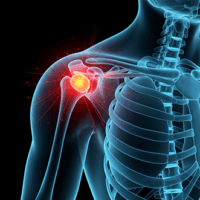

What is meant by orthopedics?
Orthopedics is a medical specialty that deals with the diagnosis, treatment, and prevention of diseases, injuries, and deformities of the human musculoskeletal system. This includes bones, joints, muscles, tendons, ligaments, and nerves. The term "orthopedics" is derived from the ancient Greek "orthos" (straight, upright) and "paideia" (child-rearing), which originally referred to the correction of deformities in children, especially of the spine and limbs. Today, however, the specialty is much more comprehensive and treats patients of all ages.
At its core, orthopedics is the study of the "straight child" – a historical term that goes back to the original focus on correcting deformities in children. Over time, however, the specialty has expanded significantly and today encompasses the entire spectrum of musculoskeletal health. Orthopedists specialize in restoring and maintaining the function and pain-free state of the musculoskeletal system. This includes not only treating acute problems but also providing long-term care for chronic conditions and preventing future ailments.
Orthopedics is closely related to trauma surgery; the two specialties are often combined as "Orthopedics and Trauma Surgery." While orthopedics primarily deals with congenital or acquired diseases and misalignments, trauma surgery focuses on treating injuries caused by accidents. However, there is a large overlap, as many injuries can have long-term orthopedic consequences, and conversely, orthopedic problems can increase the risk of injury.
FAQ
Frequently Ask Questions.
There is a lot to learn; here are a few important points.
What can orthopaedics achieve?
How is the treatment carried out?
Orthopaedics offers a wide range of therapies, ranging from conservative measures to surgical interventions. These include physiotherapy, medication for pain relief and inflammation, injections (e.g. cortisone or hyaluronic acid), orthopaedic aids such as orthoses or insoles, as well as minimally invasive or open surgery for more serious problems.
Read the FAQ, but still thirsty for knowledge?
You can find more information, as well as answers to important topics concerning your health, here.


 Deutsch
  Magyar
  English (UK)