
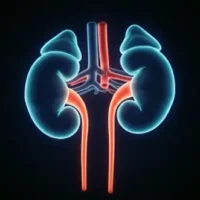

What is meant by urology?
At its core, urology is the discipline that deals with the health of the urogenital system. While many people primarily associate urologists with men's health, it is important to understand that urologists also treat women and children, as the urinary tract is identical in both sexes. Urology covers the prevention, diagnosis, and therapy of diseases ranging from infections and stone conditions to cancers. Its goal is to maintain the function of these vital organs and improve the quality of life for patients.
Urology is a dynamic specialty that is constantly evolving. It integrates state-of-the-art diagnostic techniques such as imaging procedures (ultrasound, CT, MRI) and endoscopic examinations with advanced therapeutic approaches, including minimally invasive surgery and drug therapies. A holistic view of the patient and interdisciplinary collaboration with other specialties such as nephrology (the study of kidney diseases), gynecology, and oncology are of great importance.
What does the specialty encompass?
- Uro-oncology
- Andrology
- Reconstructive Urology
- Female Urology
- Prevention
What treatments are common?
- Endoscopic procedures
- Laparoscopic and robotic-assisted surgery
- Open surgeries
- Shock wave therapy (ESWL)
- Pelvic floor training
What symptoms can be noted in connection with an enlarged prostate?
- What symptoms can be noted in connection with an enlarged prostate?
- Difficulty urinating. You have to strain to start.
- The urine stream is weakened, which extends the duration of urination.
- There is a feeling of having to urinate again shortly after urination.
- At the end of urination, dribbling occurs, and it is difficult to hold back the urine.
- The urine flow is interrupted and can only be restarted with difficulty.
When should you seek professional help?
If one or more of the above symptoms occur regularly, a urological examination is necessary!
FAQ
Frequently Ask Questions.
Here are a few important facts
What is a benign prostate enlargement?
Primarily, the cells of the prostate located in the center around the urethra multiply. As a result, the prostate gland is pushed further and further outwards. The prostate thus becomes larger and gradually narrows the urethra. One could also say it progressively "cuts off its air." This usually begins around the fifth decade of life.
Benign prostate enlargement - what are the symptoms?
Prostate enlargement is very rare in men under 40. So, almost all men have to deal with their prostate as they get older. However, the number and severity of symptoms do not necessarily depend on the size of the prostate.
Benign prostate enlargement - what are the symptoms?
There are various signs that can indicate an enlarged prostate. However, some men do not notice the prostate enlargement because it causes no symptoms or only non-specific ones. Others develop only mild symptoms that hardly affect their daily lives and with which they cope well. For some men, however, the symptoms are more pronounced – their daily and professional lives can suffer.
Prostate enlargement or prostate cancer?
The name says it all: Benign prostatic hyperplasia (BPH) is a benign condition. The word "benign" comes from Latin and means "good" (the term "malignant" stands for malicious). An enlarged prostate, therefore, has nothing to do with prostate cancer and does not increase the risk of prostate carcinoma.
What stages are there in prostatic hyperplasia?
Depending on the severity of the symptoms, doctors divide prostate enlargement into three stages – these are the symptoms that can occur in each stage.
Prostate Enlargement: Causes and Risk Factors
The exact causes of prostate enlargement are not yet known. Doctors suspect that this slow enlargement of the prostate is part of the normal aging process. Therefore, age is the most important risk factor for this prostate condition, but not the only one! The following factors also seem to be involved when the prostate enlarges:
Read the FAQ, but still thirsty for knowledge?
You can find more information, as well as answers to important topics concerning your health, here.


 Deutsch
  Magyar
  English (UK)