
Urinary stones (Urolithiasis)

Urolithiasis – also known as kidney stones – is a common condition caused by the formation of crystals in the urinary tract. In Europe, around 6% of the population is affected.
Kidney stones Latin-Greek Urolithare crystalline deposits (calculi) of the urinary tract, of varying composition and size.
The crystals can clump together to form solid stones that block the urinary tract and lead to painful symptoms. Urolithiasis can affect people of all ages, but is more common in men aged between 30 and 60.
Important information:
Symptoms
Kidney stone conditions manifest in various ways. These are symptoms that should be examined by a specialist:
- Colic - Pain in the back or lower abdomen
- Nausea and vomiting often with pain
- Increased and frequent urge to urinate
- Blood in urine (haematuria)
- Pain or burning when urinating
- General malaise
How could one prevent it?
Adequate fluid intake
To prevent the urine from becoming oversaturated with stone-forming substances, the fluid intake should be 4–5 litres per day to be increased. The aim is a Urine output of at least 3 litres daily, you should also drink at night if needed.
Reducing sodium (from plain table salt):
The daily salt intake should be limited to maximum 6 g/day begrenzt werden. Da eine hohe Aufnahme von einfachem kochsalz (NaCl) die Kalziumausscheidung erhöht und so die Kalziumoxalatsteinbildung fördert.
A tailored diet:
Animal protein (meat, fish, poultry) in Quantities consume, as it can lead to an acidification of the urine and increased excretion of calcium and uric acid.
Foods rich in oxalates (e.g. spinach, rhubarb, nuts, chocolate) only in small portions consume.
Prevention of uric acid stones involves a reduction in purine-rich foods (offal, legumes) and, if necessary, medication with uricosuric agents.
- Ensure adequate calcium intake Approximately 1,000–1,200 mg/day concerning food, do not supplement excessively.
- Cola and sugary soft drinks girls; alcohol only in moderation.
Regular physical activity and weight management
Exercise promotes bone health and reduces hypercalciuric excretion. A normal body weight also lowers the risk of metabolic risk factors such as insulin resistance, which can promote stones.
Harnsteinleiden ist eine Erkrankung, bei der sich in den Harnwegen, also den Nieren, den Harnleitern, der Blase oder der Harnröhre, harte Ablagerungen bilden. Diese Ablagerungen, bekannt als Harnsteine oder Nierensteine, können aus verschiedenen Mineralien und Salzen bestehen.
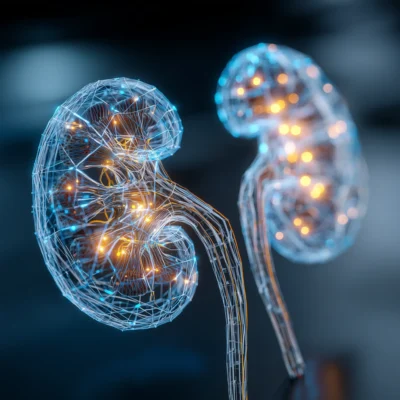
A Urinary stones (Urolithiasis) describes the formation of hard deposits („stones“) in the urinary tract. These stones are formed by the crystallisation of excess substances in the urine (e.g. calcium oxalate, uric acid). They can be located in the kidneys, ureters or bladder and can lead to colicky pain, urinary retention or urinary tract infections.
Who is affected?
The condition of urinary stones can fundamentally one occurs, but not with the same frequency in all cases:
Age and Sex Most common start between 30–60 years; Men are there 2-fold more often affected than women. Also Children can get stones, but overall rarer.
Frequency: Round 10–15 % of the population will suffer from kidney stones at least once in their lifetime; Relapses are possible.
At-risk groups
- People with Low fluid intake, strong sweating, working in hot climate.
Overweight, Metabolic syndrome, Diabetes, Gout Hyperuricaemia.
Specific DietsLots of salt, animal protein; little fruit/vegetables (citrate).
Anatomical peculiarities the urinary tract, Recurrent urinary tract infections (v. a. Infection/struvite stones).
Intestinal diseasesMalabsorption or Bariatric surgery.
Rare inherited diseases e.g. Cystinuria, Primary hyperoxaluria).
Medicines such as topiramate, loop diuretics, high doses of vitamin D/C (in individual cases).
So, almost all men will experience prostate issues as they get older. However, the number and severity of symptoms don't necessarily depend on the size of the prostate. Some men with a very large prostate, for instance, experience hardly any symptoms.
Are there risk factors?
Wer ist besonders gefährdet?
30–60 years; men more often than women.
Low fluid intake/sweating, overweight/metabolic syndrome, diabetes, gout.
Lots of salt and animal protein, little fruit/vegetables (citrate).
Urinary tract infections, anatomical peculiarities, intestinal diseases/bariatrics.
Rare hereditary diseases (e.g. cystinuria), individual medications (e.g. topiramate).
Frequently Asked Questions
Frequently asked questions concerning prostate problems.
What is an emergency?
In general: In the event of an emergency, seek medical attention immediately.
What is an emergency?
Severe colicky pain + Fever/shivers,
No urine Urinary retention,
Single kidney, Kidney failure, Pregnancy,
persistent VomitingDehydration.
How is a urinary stone condition diagnosed?
Urinary tract stones are usually caused by a combination of:
Anamnesis
physical Investigation
and imaging techniques diagnosed.
classically characterised by the acute onset of severe pain (so-called Colica burning sensation in the affected flank. The urge to urinate as well as severe nausea and vomiting are also common accompanying symptoms.
Stones that lie symptomlessly in the kidney are becoming more common. random at Ultrasound or CT scans discovered.
What is the prognosis?
Aside from the pain that can occur with colic and the fact that gallstones are usually only noticed because of colic, the Forecast for patients with urolithiasis Usually inexpensive.
Even better if the illness is detected and treated early.
Is prevention worthwhile?
YES!
Since urinary stones often only random be recognised and on the other hand first a colic to the perception of the illness, comes the Prevention one special role To.
Important:
The prevention of urolithiasis is based on
- adequate fluid intake
- a balanced diet
- and regular exercise.
Individuals at higher risk of kidney stones should undergo regular medical check-ups to develop and implement preventative measures.


 Deutsch
  Magyar
  English (UK)